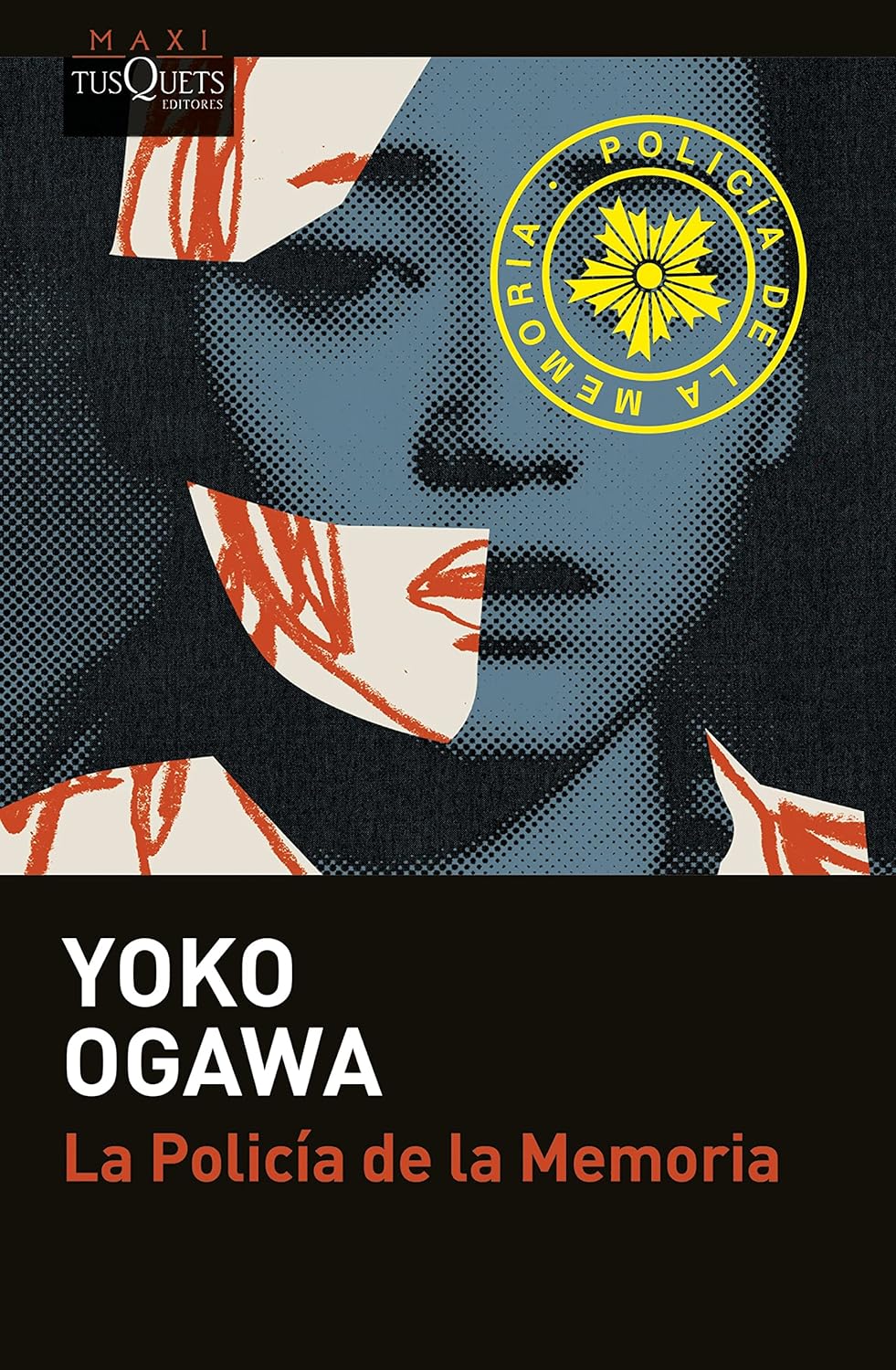

La Policía de la Memoria

Lists

En una pequeña isla se produce un misterioso fenómeno. Un día desaparecen los pájaros, al siguiente podría desaparecer cualquier cosa: los peces, los árboles... Peor aún, también se desvanecerá su memoria, al igual que las emociones y sensaciones asociadas a ellos. Nadie sabrá ni recordará entonces qué eran. Hay incluso una policía dedicada a perseguir a los que conservan la capacidad de recordar lo que ya no existe. En esa isla vive una joven escritora que, tras la muerte de su madre, intenta escribir una novela mientras trata de ayudar …

Paperback, 390 pages

Español language

Published Nov. 1, 2022 by Maxi Tusquets.

Show more
ISBN:
978-84-1107-111-6
Copied ISBN!
Subjects
  • Novela
  • Novela Distópica
  • Ficción
  • Ficción moderna y contemporánea
  • Ficción, general

Reviews

Ethereal and conflicting.

I'm uncertain how it is that I feel about this book. I don't even know that I can call it enjoyable, though it is incredibly dream-like. There is so much care between the characters, but it also is hard to really enjoy.

It's impossible to really discuss it without spoiling all of it, and I don't particularly feel like writing more. But I can say that the book left me feeling somewhat empty, which I think is honestly the point considering the story itself (an island where things 'disappear', where people who remember are arrested by the Memory Police).


emotional and thought provoking

this is the first book i’ve read on my own outside of school in a very long time. i wasn’t a fan of 1984 but i was still looking for a good dystopian novel, so i tried this one. i really enjoy the author’s writing style, it makes the characters feel so full and alive. i think there’s a lot to think about with this book, and it leaves you questioning things. i do think the ending was a bit quick, but i’m sure it was intentional. i recommend this book if you’re looking for a good dystopian.

Moody, Evocative

It wasn't for me, but I'm still glad I read it. Ogawa's greyscale, slowly grinding dystopia gives the mind's eye a view of a world where epistemic injustice is extremely unsubtle, and still the people oppressed are unable to give voice to this, in fact directly because of it. The mechanics of the world don't quite make sense -maybe something lost in translation- but once you move past the small things that you think need answers and look at the bigger picture, things begin to take shape. Interesting questions about the setting and happenings of the narrative are left unanswered intentionally, and left as exercises to the reader. I was reminded throughout my reading of Yokohama Kaidashi Kiko- that being a 90s reaction to climate change and this a piece of dystopic literature, but the comparison seems apt to me because of the slow creep of impending doom. The eponymous …