Falko wants to read Cold Start Problem by Andrew Chen
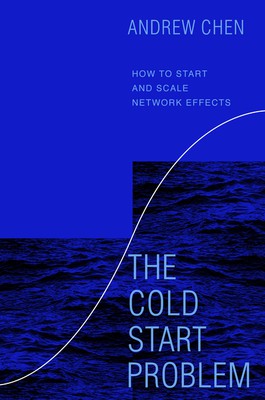
saw this book recommended by a former colleague Kirk Mitchel. Sounded interesting
reading mostly non-fictional books to learn new stuff. But occasionally I'm reading Sci-Fi and History.
This link opens in a pop-up window
saw this book recommended by a former colleague Kirk Mitchel. Sounded interesting
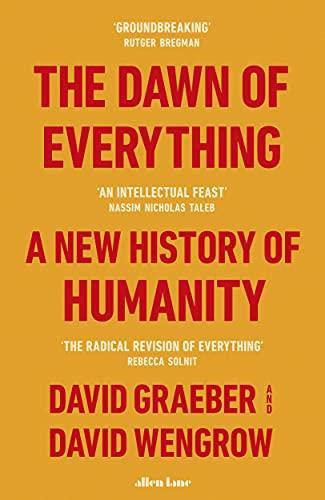
A breathtakingly ambitious retelling of the earliest human societies offers a new understanding of world …
This one sounds interesting. Recommended by Michael Seeman (@mspro), which I respect very much.
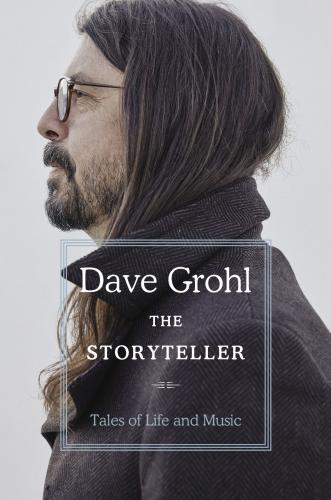
This guy is for sure a great storyteller. And he's got a lot of stories to tell..
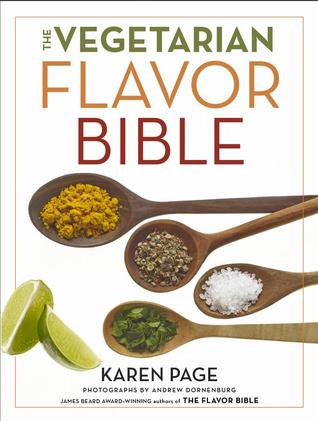
Throughout time, people have chosen to adopt a vegetarian or vegan diet for a variety …
This sounds good. Will have to read that.
He is for sure a great story teller.
"If I let go of your foot, it will fall back out of the socket." Without hesitation, and in a moment of pure, stubborn will, I loudly exclaimed, "Well then you're coming up on stage with me, motherfucker!" youtu.be/GeUrSm4_cpk?t=208
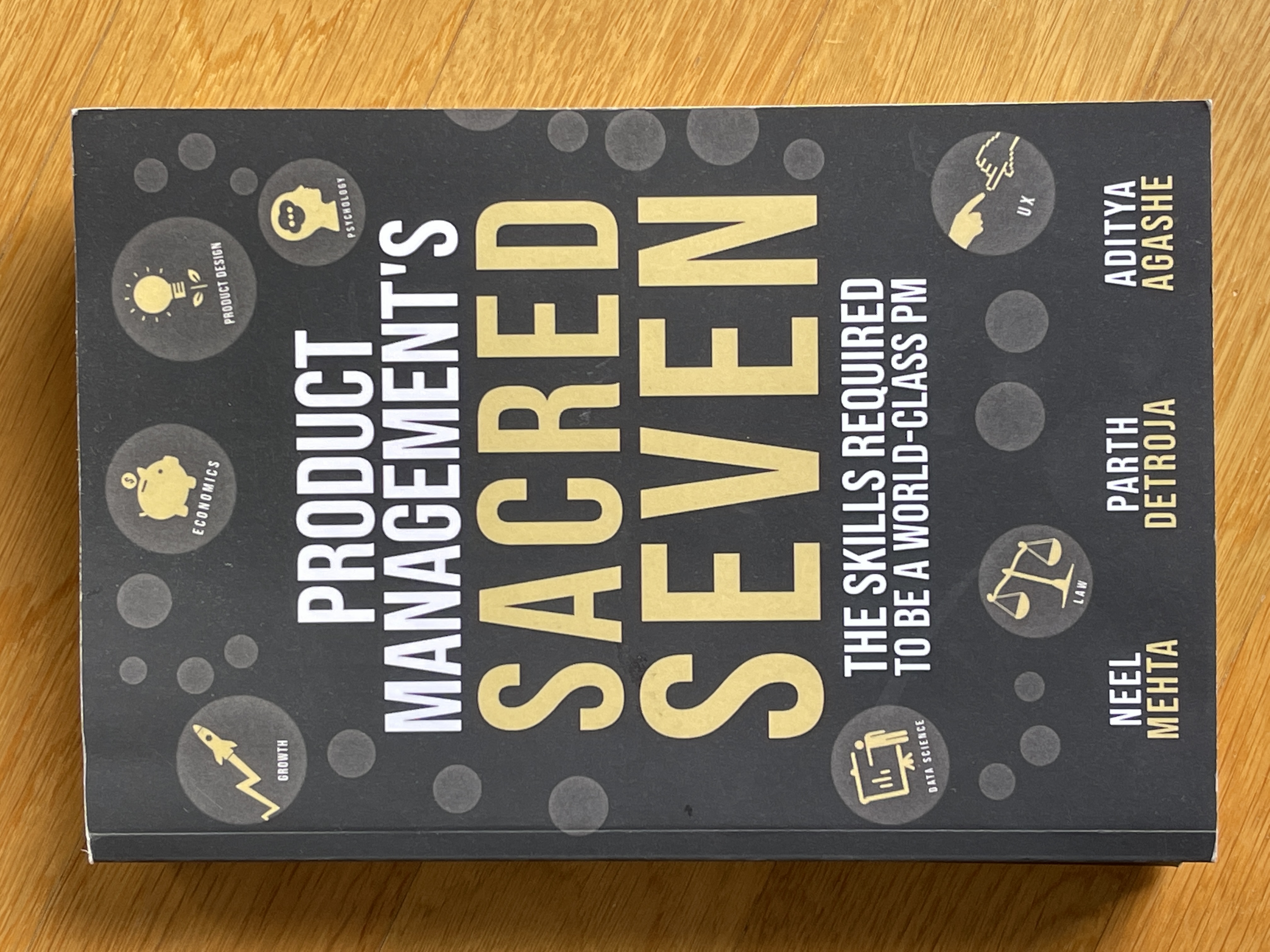
"A good UX is discoverable, gives feedback, is forgiving and is intuitive"
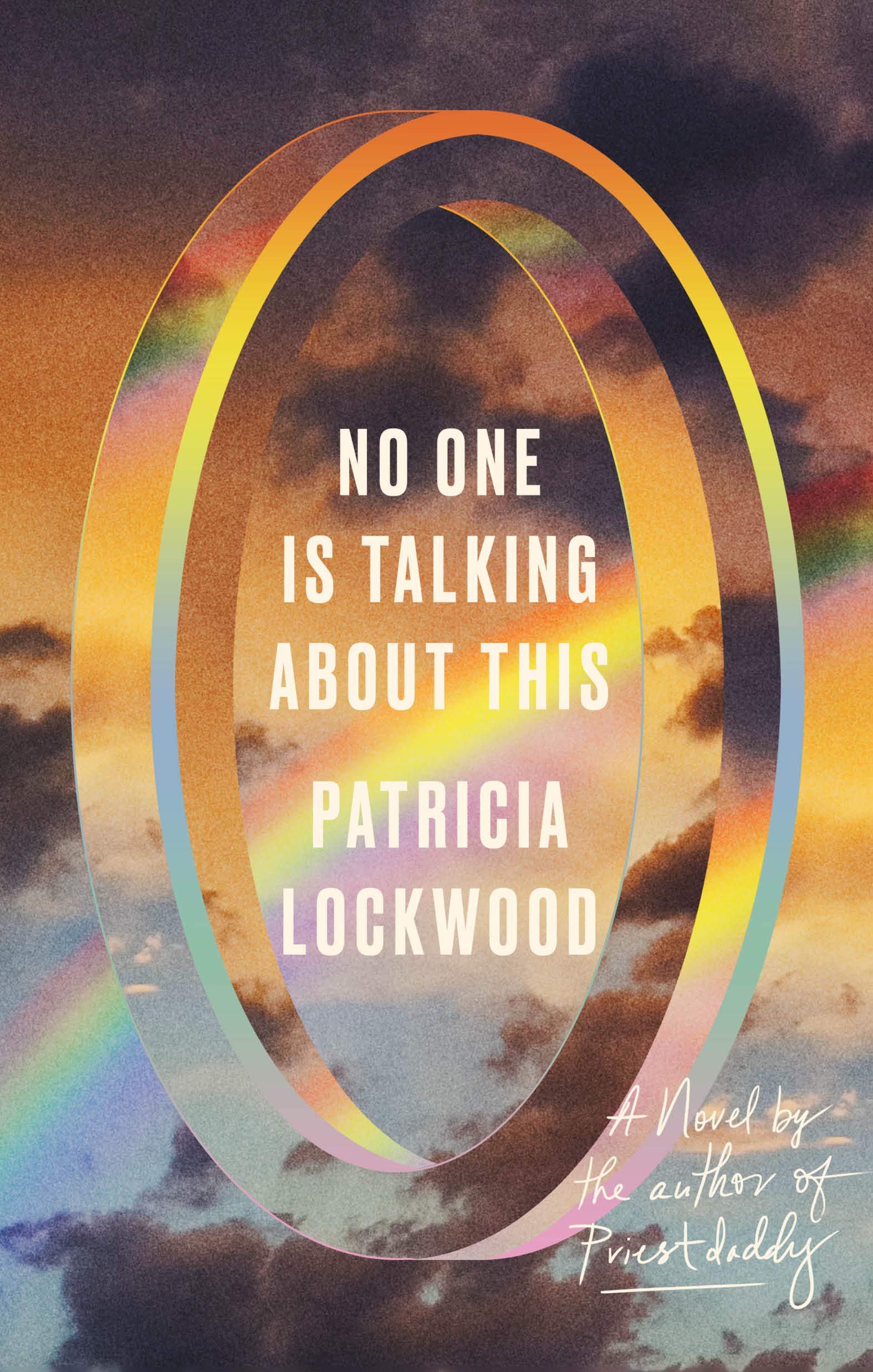
As this urgent, genre-defying book opens, a woman who has recently been elevated to prominence …
saw some enthusiastic review about this here on Bookwyrm servers. That might be an interesting read.
Learned a lot about product pricing strategies. Good and clear description and well known examples provided.
Instead of MVP, do a RAT (Riskiest Assumption Test) to validate the most risky assumption about your future product.
So far quite interesting
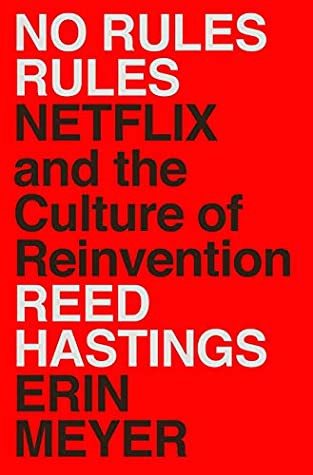
In my experience the book doesn’t over big revelations. You could summarize the content as: Hire smart people and let them do their job. The rest ist justifying this thesis with anecdotal evidence and some cross references to other books and other companies in the area.
Nevertheless I liked reading the book and also hearing many stories about a company like Netflix is dealing with certain things.
I would have loved if the authors elaborated more how they identify the top talents they are referring to so often. How they judge, whether their talents fail to delivery because they are not as awesome as hoped they are, or whether they are just a victim of bad circumstances?
In my experience the book doesn’t over big revelations. You could summarize the content as: Hire smart people and let them do their job. The rest ist justifying this thesis with anecdotal evidence and some cross references to other books and other companies in the area.
Nevertheless I liked reading the book and also hearing many stories about a company like Netflix is dealing with certain things.
I would have loved if the authors elaborated more how they identify the top talents they are referring to so often. How they judge, whether their talents fail to delivery because they are not as awesome as hoped they are, or whether they are just a victim of bad circumstances?
On the last page they reveal that Netflix also has certain areas where “Freedom & Responsibility” doesn’t apply. But where Process and Rules dominate 🙄
Had an epiphany today about these kind of books: they are an example of "survivor bias"
Nevertheless a good read
Stack-ranking employees and rating systems with firing quotas is a very bad idea. It kills teamwork