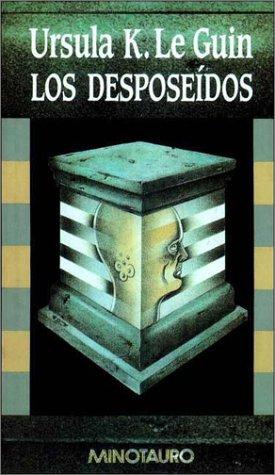
La historia ocurre en el planeta doble Urras / Anarres. Los habitantes de Anarres son los descendientes de exiliados de Urras a causa de su participación en una revolución anarquista doscientos años antes de los sucesos que se relatan en el libro. Su régimen político es una especie de anarquismo taoísta, en un mundo extremadamente pobre en recursos. Los habitantes de Urras, por el contrario, han desarrollado una cultura urbana capitalista en un mundo que no impone tantos rigores para la supervivencia.
El protagonista, Shevek, es un científico anarquista …
La historia ocurre en el planeta doble Urras / Anarres. Los habitantes de Anarres son los descendientes de exiliados de Urras a causa de su participación en una revolución anarquista doscientos años antes de los sucesos que se relatan en el libro. Su régimen político es una especie de anarquismo taoísta, en un mundo extremadamente pobre en recursos. Los habitantes de Urras, por el contrario, han desarrollado una cultura urbana capitalista en un mundo que no impone tantos rigores para la supervivencia.
El protagonista, Shevek, es un científico anarquista que pretende desarrollar una teoría que permita la construcción de un ansible: un dispositivo de comunicación interestelar que supere las limitaciones de la física relativista y la velocidad de la luz. Shevek decide embarcarse en un arriesgado viaje hacia Urras con el objetivo de contactar con otros matemáticos y físicos que puedan hacer realidad las implicaciones prácticas de la misma.
At first I thought this novel was going to have a setting of utopia versus dystopia. However, the book goes much deeper than that. There isn't actually any kind of utopia presented really, because the book critically engages with the "utopian" anarchist society and interestingly highlights possible conflicts and issues within such a society as well. Philosophical themes are also explored in dialogue between characters, discussing moral dilemmas and societal issues, arguably making the dialogue the best part of the book with the world building being a close second.
Throughout the whole book you can also see conflict of opposing concepts, such as capitalism and socialism, rich and poor, past and present, individuality and society, hierarchy and anarchy, and the possessed and the dispossessed. Even the protagonists scientific theories attempt to unite two opposing concepts of time.
Altogether, an incredible book I cannot recommend enough, and unexpectedly funny at times too!
Comentario recién terminada la lectura de Los desposeídos
5.0 stars
Si bien leí la mayor parte de la novela en Nono, en enero durante el verano, la terminé acá en casa, con mi gato Carbón de compañía, mimoso, cercano después de habernos extrañado muchos días. 📚🌱✨ Algún día haré la reseña, este es más bien un comentario que sale del momento recién terminado del libro, donde la expansión de todo lo que sentí y viví me rodea como una neblina o un refulgor, o capaz como la capa de polvo de Anarres. Es mucho, es intenso, es un poco abrumador. Me gusta escribir reseñas cuando ha pasado un tiempo, capaz hasta olvido algún detalle o personaje pero algo ha sedimentado y eso es justo lo que quiero contar. Confío en eso que queda como semilla para la reseña. Por ahora solo un punteo: La ingenuidad de Shevek como mirada de mundo, una ingenuidad que me permitió identificarme fuerte con su …
Si bien leí la mayor parte de la novela en Nono, en enero durante el verano, la terminé acá en casa, con mi gato Carbón de compañía, mimoso, cercano después de habernos extrañado muchos días.
📚🌱✨
Algún día haré la reseña, este es más bien un comentario que sale del momento recién terminado del libro, donde la expansión de todo lo que sentí y viví me rodea como una neblina o un refulgor, o capaz como la capa de polvo de Anarres. Es mucho, es intenso, es un poco abrumador. Me gusta escribir reseñas cuando ha pasado un tiempo, capaz hasta olvido algún detalle o personaje pero algo ha sedimentado y eso es justo lo que quiero contar. Confío en eso que queda como semilla para la reseña.
Por ahora solo un punteo:
La ingenuidad de Shevek como mirada de mundo, una ingenuidad que me permitió identificarme fuerte con su confianza en la humanidad a pesar de todo.
El amor de Takver como un vínculo elegido para una promesa de vida.
La lealtad primero y siempre. Defender la identidad colectiva aún a pesar del colectivo.
La preciosa manera espiralada de contar la historia en dos temporalidades/espacialidades.
Los abrigos de Urras llenos de bolsillos y una libreta con el punteo de una teoría que cambiaría la humanidad en el universo. Y el deseo de querer regalar ese conocimiento.
Descubrir que, al haber leído La mano izquierda de la oscuridad primero, fue mi propio viaje en el tiempo saber algunas cosas antes que el propio protagonista.
La emoción que me embargó cada vez que leí las ideas de que el viaje es el retorno (y aún no estoy segura de saber por qué me emociona o si me emociona por todo lo que puedo sumar a esas palabras).
“Those who build walls are their own prisoners. I’m going to fulfill my proper function in the social organism. I’m going to unbuild walls.“
Would you like to become an anarcho-socialist? Then read this book. It contains a most compelling vision for a world in which people govern themselves. It then goes on to contrast this world with another where capitalism is celebrated. The writing is powerful, the story provocative. Even if you don’t think you like science fiction, you should read this book because at the end of the day, it’s about how humans choose to live together. It’s also got some heart-stoppingly inspiring passages that will make you think deeply about your own commitments.
Qualcunǝ era di sinistra, perché aveva letto della rivoluzione di Anarres
5.0 stars
[Vecchia recensione esportata da altro sito]
Iniziato entro un gruppo di lettura, lasciato a metà per sospensione del gruppo, ripreso in mano e terminato di volata durante l'estate (con una pausa in corrispondenza del mare), ne è valsa la pena fino all'ultima virgola – perché The Dispossessed potrebbe essere uno dei miei romanzi preferiti di sempre, a prescindere da epoca lingua e genere. Già sapevo dal ciclo di Terramare che zia Ursula è una maestra a rendere affascinanti e tangibili le vite quotidiane di società immaginarie ma plausibili, e a farci empatizzare con le piccole grandi storie di personaggi eminentemente umani per quanto ben lontani dal nostro vissuto (il che è la forma più bella di escapismo: quella che poi ci riporta a casa), ma a questo giro la nostra ha toccato due corde che per me valgono tanto: non solo The Dispossessed è uno racconto antropologico che contrappone …
[Vecchia recensione esportata da altro sito]
Iniziato entro un gruppo di lettura, lasciato a metà per sospensione del gruppo, ripreso in mano e terminato di volata durante l'estate (con una pausa in corrispondenza del mare), ne è valsa la pena fino all'ultima virgola – perché The Dispossessed potrebbe essere uno dei miei romanzi preferiti di sempre, a prescindere da epoca lingua e genere.
Già sapevo dal ciclo di Terramare che zia Ursula è una maestra a rendere affascinanti e tangibili le vite quotidiane di società immaginarie ma plausibili, e a farci empatizzare con le piccole grandi storie di personaggi eminentemente umani per quanto ben lontani dal nostro vissuto (il che è la forma più bella di escapismo: quella che poi ci riporta a casa), ma a questo giro la nostra ha toccato due corde che per me valgono tanto: non solo The Dispossessed è uno racconto antropologico che contrappone una società liberal-capitalista post-scarsità (e in tralice la speculare società comunista autoritaria) a una comunità anarchica libertaria che sopravvive caparbia nella ristrettezza, non solo tanta parte del conflitto verte su come una società orizzontale e federativa può nondimeno ricadere nella gerarchia o comunque nella stagnazione, non solo ci sono scene straordinarie e terribili di vita agraria e di movida accademica – ma in più tutto questo lo esperiamo attraverso la storia di formazione del nostro buon Shevek, che a mio parere di uomo autistico è palesemente un individuo neurodivergente con la classica combinazione di interessi assorbenti + rispetto ingenuo per le regole + penetrante senso critico, e buona parte del suo viaggio personale consiste nel costruirsi una propria comunità stretta come punto di partenza per cambiare in meglio il suo mondo (e poi il suo sistema solare) un passo per volta. È stato straordinario sentirmi così rappresentato in Shevek e Takver che diventano il cuore aggregante della loro famiglia elettiva ad Abbenay, e commuovermi fino alle lacrime per le orazioni di Shevek sul senso della lotta odoniana e la volontà costantemente rinnovata di creare un mondo nuovo e migliore – un elogio dell'anarchia positiva più potente, poetico e toccante di mille manifesti.
Certo, ci sono alcune piccole sbavature d'intreccio (o grandi, nel caso di una certa scena violenta nel capitolo otto), ma se ho apprezzato di gusto un grande romanzo antitetico alla mia sensibilità quale Starship Troopers a maggior ragione sarò clemente con un testo così tanto nelle mie corde e mi "limiterò" a problematizzarlo senza fustigarlo – e a recuperare opere che siano in continuità con questo filone.
Grazie di questo capolavoro, zia Ursula; i compagni e le compagne se ne vanno ma restano nei nostri cuori, e le nostre idee continuano a indirizzarci.
Ursula K. Le Guin's The Dispossessed explores the tension between anarchism and capitalism through the eyes of Shevek, a physicist from the anarchist society of Anarres. The narrative intricately contrasts the two worlds, showcasing their differing ideologies and societal structures. While the book's philosophical depth can be confusing at times, it is ultimately rewarding, presenting a nuanced view without overtly favoring one side over the other. Le Guin's prose is engaging, making it a thought-provoking read that resonates with contemporary issues of freedom and authority
I love Ursula but this has been my least liked book of hers so I'm giving 4 stars instead of 5. I enjoyed the heavy intellectual ideas. I enjoyed the romance. I was utterly destroyed that she made this main character who I had thoroughly liked, out of nowhere sexually assault a woman because he experiences alcohol for the first time in his life. The way it's written is really fucking blaming the woman victim character while our main character dude just gets to brush it off and go on with his life as the hero and doesn't even think about this incident for even one goddamn second for the rest of the book. I know Ursula took some serious thoughts about feminism later in life and made some apologies and changes in her writing with the Earthsea series which I thought was wonderful. I really wish she had taken the time to go back and edit or at least write an apology about this. It fucking sucks. The rest of the story is great. This one scene should be deleted. It's fucking horrible. And no it's totally not believable that creating an anarchist communist society would suddenly erase rape and that rape is just an invention of capitalism and greed. Yea no. I can't bite down on that idea at all. The other heavy ideas make sense but only up to a point and then it's just like trying to say capitalism causes humans to rape. Like no fuck you. Rapists are psychopaths. They are the same as murderers. They are born with it in their brain. They cannot feel empathy. They are predators. Society can't make them do it or not do it. They exist in every society through all time. They can't be fixed either. And a man who is absolutely loving to his true love, his little daughters will not just suddenly sexually assault a woman because he got exposed to capitalism and alcohol and "went crazy." Fucking bullshit rape apology sexist bullshit. And then feel absolutely no remorse about it? Cmon!!
Re-read 2024: So much to sit with and contemplate on each reading, come to it with empty hands.
Re-read 2020: Upped to 5 stars. Still a bit of a slow start and interspersed philosophical explainers, but I appreciate the complexities of this "evolving utopia" more than before, the human and social and intergenerational tensions she walks through in making the case complicated.
Good: Speculative fiction at its finest. Great society & world building, shown through a lens of a single life. Two timelines nicely intertwine & support each other. The scenes of hardship & revolution resonate deeply. * Evokes the feeling of classic Sci-Fi without any problematic elements often associated with it.
Bad: ∅
For a depiction of a similar theme check out John Kessel's [b:The Moon and the Other|30753686|The Moon and the Other|John Kessel|https://i.gr-assets.com/images/S/compressed.photo.goodreads.com/books/1491126501l/30753686.SY75.jpg|51302140].
I mean, everybody has read it already over here, right?
The only thing I would "criticise" are some outdated and not very inclusive ideas/concepts.
However, this is only pushing me to find more queer and contemporary fiction. Or, worst case scenario, write it myself. :P
Una obra que vuelve a usar la ciencia ficción como entrada pero que es un análisis y una reflexión sobre la sociedad, desde la luna Anarres, donde la sociedad se organiza en un modo anarquista/socialissta al planeta Urras, donde tras un conflicto estos últimos fueron expulsados y donde el planeta se organiza en base a oligopolios y un capitalismo salvaje. Como nexo entre ambos mundos el protagonista intenta establecer un diálogo, intentando propiciar el desarrollo de ambas sociedades con la colaboración científica. Un libro que no deja de ser una reflexión y un golpe sobre la mesa sobre la política, la sociedad y el papel de la ciencia y los científicos.
I first read this book 20 years ago in a German translation and liked it a lot, but I didn't get a lot of it. Now, reading the English original and having had more of a political education, at first I was: "Is this book as good as I remember it?", but then, I enjoyed it even more.
I love that it's not an unbroken utopia and the ending leaves some things open. I also liked how it shows how power-laden relationships and positions can inadvertently creep back into a society that's not supposed to have them.
Ein wunderbarer Text und eigentlich keine Science Fiction, sondern eher eine soziale Utopie. LeGuin beschäftigt sich damit, wie Anarchismus lebbar sein könnte: "Es gab nur das Fortschreiten: das Fortschreiten war alles. Man konnte in einer vielversprechenen Richtung weitergehe, man konnte auch fehlgehen, aber man konnte sich nicht mit der Erwartung auf den Weg machen, irgendwann einmal irgenwo anzuhalten. (S. 304)